North Texas summers do not play around. Rockwall roofs bake in 100-degree heat, absorb intense sun, and take hail and wind hits almost every year. That mix drives up cooling costs and shortens roof life. Homeowners and commercial property owners across Rockwall, Fate, and Heath are moving to cool roof systems because they cut heat at the source. The result is a cooler interior, lower bills, quieter HVAC units, and roofs that last longer.
SCR, Inc. General Contractors installs energy efficient roofing across Rockwall County, from neighborhoods near The Harbor and Shores on Lake Ray Hubbard to retail centers along the I-30 corridor. The team uses reflective materials and insulation strategies that make a clear difference in both summer heat and shoulder seasons. For buildings that run a lot of air conditioning, the savings show up fast.
What “cool roof” actually means in North Texas
A cool roof is built to reflect sunlight and release heat. Two numbers matter. Solar reflectance measures how much light the roof sends back into the sky. Thermal emittance measures how fast the roof releases absorbed heat. In Rockwall’s climate, both need to be high. Dark asphalt or aged EPDM can absorb up to 90% of solar energy. A white TPO or silicone-coated roof can reflect 70% to 85% on day one, with quality products keeping reflectance high over time.
Materials that perform well here include TPO membranes with reinforced seams, PVC membranes like Duro-Last, metal roofs with high-SRI coatings, and fluid-applied silicone or acrylic systems on sound substrates. Adding polyisocyanurate (polyiso) insulation under the membrane increases R-value and evens out temperature swings. On existing roofs that still have structural life, a restoration with elastomeric or silicone coating renews surface reflectivity and protects against UV damage.
Why Rockwall homes and commercial buildings benefit
Rockwall and the surrounding lakefront communities sit under hard sun from April through October. Roof surfaces reach 140 to 180°F on a typical summer afternoon. That heat radiates into attics and conditioned spaces, forcing rooftop AC units and heat pumps to run longer. It also stresses sealants, flashing, and fasteners. Expansion and contraction cycles cause fatigue in seams and penetrations. Over time, that leads to leaks and premature roof replacement.
Cool roof systems address the root problem. Reflective membranes and coatings reduce surface temperature by 40 to 60°F on peak days. Attic temperatures drop, duct losses shrink, and HVAC equipment runs in shorter cycles. That means lower energy bills and fewer emergency calls for AC failure during heat waves. The roof also experiences less thermal shock, which slows degradation and keeps the system watertight longer.
Where the savings come from
Energy reduction depends on roof size, shading, attic ventilation, and insulation. On sun-exposed homes in Rockwall 75087 and 75032, energy models and field data often show cooling cost reduction in the 10% to 30% range after a reflective upgrade. Retail plazas, warehouses, and offices see similar or greater savings because of larger roof areas and high internal heat loads.
Savings also show up in maintenance. A bright roof makes leak inspections easier. Infrared thermal cameras highlight saturated insulation and hidden moisture under membranes. Repairs happen earlier and at a lower cost. By easing peak roof temperatures, property owners also help their rooftop AC units (RTUs) and heat pumps last longer. Lower ambient deck temperatures can extend compressor life and protect fan motors during July and August.
Materials that stand up to Rockwall weather
SCR, Inc. installs reflective systems that hold color and performance. Many white coatings fade gray under UV or collect dirt fast, which reduces reflectance. Product choice and prep matter. High-solids silicone coatings resist ponding water and stay bright. Acrylic coatings work well on sloped assemblies. Reinforced TPO and PVC membranes handle foot traffic and keep seams tight.
Brands matter because they bring proven formulations and strong warranties. SCR, Inc. installs systems from Duro-Last, GAF, Carlisle SynTec, Firestone Building Products, Mule-Hide, CertainTeed, and Owens Corning for compatible assemblies. For premium PVC performance, Duro-Last’s “World’s Best Roof” delivers consistent factory-welded seams and high reflectivity. For TPO, SCR, Inc. uses reinforced sheets and heat-welded seams to create a monolithic, durable surface.
Rockwall-specific performance factors
Local roofs face more than heat. Hail impacts, high winds off Lake Ray Hubbard, and fast-moving storms challenge seams and flashings. Expansion near rooftop solar panels, stanchions, scuppers, and HVAC curbs needs attention. On large commercial roofs, ponding water can degrade coatings and speed membrane breakdown. SCR, Inc. addresses these with reinforced details, proper slope-to-drain, and durable sealants. Silicone membranes hold up under standing water around cramped drains. Polyiso insulation and tapered packages remove ponding at low spots. Proper scupper sizing and metal flashing prevent backflow and edge damage.
The North Texas sun also makes UV resistance non-negotiable. UV exposure breaks down asphalt and weakens adhesives. Reflective roofs reduce UV dosage on the surface, which helps coatings and membranes keep their integrity longer. For homeowners, that means fewer granule loss issues on reflective shingles and less cracking at pipe boots and vents. For commercial roofs, that means seams stay tight and penetrations keep their seal.
Homeowners: what to consider before switching
Rockwall homeowners usually face three paths. One, replace old shingles with high-SRI shingles in a light color. Two, convert to a standing seam metal roof with reflective coating. Three, if the home has a low-slope or flat section, install TPO or PVC with added polyiso insulation. Each option has a different price point and payback.
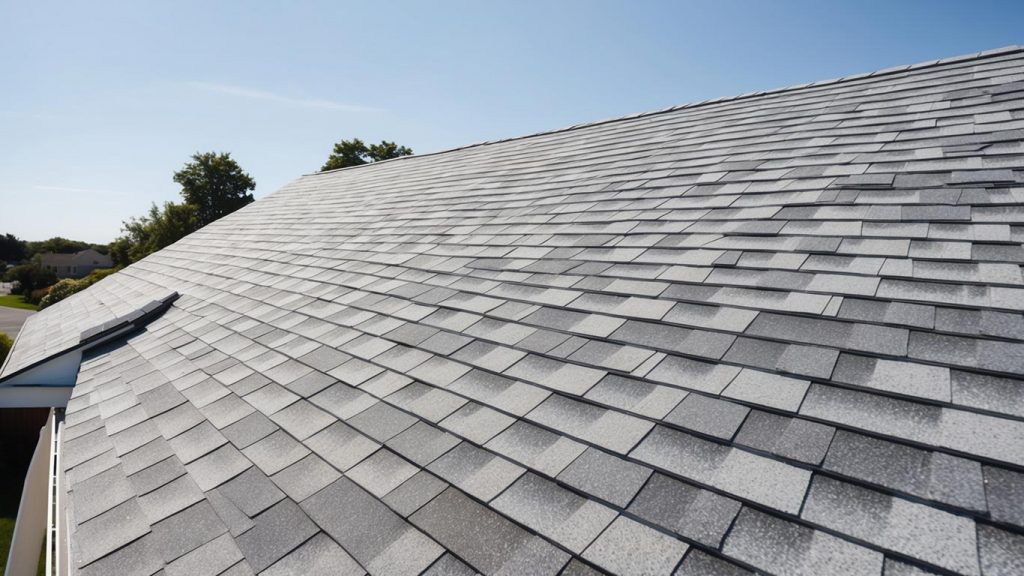
Shingles are familiar and quick to install. Light colors and Energy Star-rated options can lower attic temperatures compared to dark roofs. The savings are modest but noticeable in south- and west-facing sections. Metal brings longer life and excellent reflectivity, with strong resistance to hail when using thicker panels and impact-rated assemblies. Low-slope membranes provide the best reflectivity and insulation options but require correct detailing and substrate preparation. A brief attic evaluation helps identify air leaks, duct losses, and ventilation upgrades that make the roof change even more valuable.
Commercial properties: where cool roof systems shine
Rockwall is growing along the I-30 corridor, around The Harbor, and in business parks near Buffalo Creek and Northshore. Large roof areas and big internal loads make heat control a priority. SCR, Inc. provides commercial cool roof systems in Rockwall 75087 and 75032, as well as Fate and Heath. The crews are often seen near The Harbor Rockwall, San Jacinto Plaza, Harry Myers Park, and across the I-30 corridor on retail and light industrial buildings.
For warehouses, retail centers, and office complexes, the right system often blends material upgrades with restoration. Where the existing roof is structurally sound, a roof restoration can avoid a tear-off and deliver a bright, seamless surface. High-solids silicone coatings over cleaned and primed substrates create a continuous membrane that tolerates ponding areas and heavy sun. On roofs with compromised seams or saturated insulation, a new TPO or PVC system with polyiso insulation improves both durability and R-value. Metal roofs can receive a coating system with stitched seam reinforcement and new fastener gaskets, or be overlaid with a single-ply if structure and code allow.
The inner workings: getting reflectivity right
A cool roof system is more than a white surface. SCR, Inc. treats it as a building envelope package. The team looks at insulation, air movement, water control, and reflectivity as one system. Polyiso board increases thermal resistance without adding much weight. Seam tape, primers, and flashing keep edges dry and sealed. Infrared thermal cameras spot wet insulation so it can be replaced before trapping moisture under the new system. On complex roofs, adding walk pads around RTUs prevents damage during service calls. Proper curbs around rooftop AC units and heat pumps keep water off seams and prevent heat from dumping directly onto roof surfaces.
Solar reflectance knocks heat down at the surface. Thermal emittance releases absorbed Visit this website heat quickly, which reduces temperature spikes late in the day. Together, they shrink daily expansion cycles that cause thermal shock. In Rockwall’s climate, that calm thermal behavior is a big part of why energy efficient roofing lasts longer.
Common pain points solved
Property managers often describe the same issues. AC units short-cycle and struggle to hold setpoints in the afternoon. Employees notice hot spots under shallow ceilings. Utility bills jump 20% to 40% from May through September. Older roofs show alligatoring near penetrations and ponding around drains. With a cool roof, surface temperatures drop, which stabilizes interior conditions. The rooftop temperature reduction also helps keep electronics in RTUs within normal limits, which lowers nuisance trips and untimely repairs.
If a building is dealing with thermal shock or rising cooling costs, a high-reflectivity cool roof is a direct fix. SCR, Inc. uses reinforced TPO membranes and high-solids silicone coatings to form a seamless barrier against the Texas sun. The aim is to lower heat gain, reduce mechanical stress, and preserve the structure.
Local neighborhoods and property types
Rockwall has a range of roof types. Homes in Stone Creek, Breezy Hill, and Chandlers Landing often carry steep-slope shingles with low-slope porch or patio sections. The Shores on Lake Ray Hubbard features lakefront exposure and wind-driven rain that tests flashing and shingle adhesion. Retail strip centers around Northshore and The Harbor combine flat roofs with heavy HVAC loads and traffic from service crews. SCR, Inc. scopes each roof for shade patterns, prevailing wind, drain placement, and access paths to pick the right system and warranty.
Neighboring service areas include Rowlett, Royse City, Forney, Terrell, Wylie, Garland, and Greenville. Many of these corridors face the same heat and hail profile, so materials and detailing carry over well.
Brands, certifications, and why they matter
The roof is a long-term asset. Manufacturer support and install quality affect both performance and claims. SCR, Inc. is GAF Master Elite for residential systems and installs commercial systems from Duro-Last, Carlisle, Firestone, Mule-Hide, and Conklin Roofing Systems. For high-end PVC with tight leak protection and strong energy savings, Duro-Last stands out. Many systems are CRRC rated and Energy Star certified. For clients that need an NDL warranty, SCR, Inc. provides factory-certified installation paths. The company is BBB accredited and part of The Good Contractors List, carrying a $10,000 quality guarantee on record.
Because hail and wind are common in Rockwall County, insurance claims expertise counts. SCR, Inc. has former insurance adjusters on staff and handles hail and wind claims. That experience helps document damage correctly and align scope with policy coverage. On projects with rooftop AC overlap, NATE-certified pros coordinate with RTU and heat pump service to keep roof penetrations sealed and equipment protected during the work.
What an inspection includes
A complete roof assessment looks beyond the surface. SCR, Inc. starts with a visual walkthrough to document membrane condition, seams, flashing, scuppers, and penetrations. Moisture testing with infrared thermal cameras or core sampling identifies wet insulation. The team checks drainage at scuppers and internal drains, notes ponding areas, and evaluates the need for tapered polyiso. For metal roofs, fastener back-out and seam separation get close attention. For single-ply roofs, weld strength and edge terminations are tested. HVAC curbs, solar panel mounts, and conduit penetrations are mapped and detailed for upgrade.
Attic and plenum spaces are part of the checklist for homes. The crew checks ventilation balance, duct leakage signs, and insulation depth. Those details influence roof surface temperature and energy outcomes.
Homeowner expectations and ROI
Payback depends on the starting point. A dark, heat-soaked roof with minimal attic insulation offers the biggest gains. Many homeowners see lower afternoon temperatures in bedrooms and living areas right away. For those working from home, that comfort shift matters. Utility bill reductions vary, but a 10% to 20% drop in cooling costs is common for well-exposed homes with reflective upgrades and improved attic insulation or ventilation.
For commercial owners, ROI ranges widely based on square footage, hours of operation, and utility rates. Projects with large roof areas and high internal loads often land in the three to seven-year range when energy savings and maintenance reductions are combined. Restorations on sound substrates usually hit the faster end of that range because they avoid tear-off costs.
How SCR, Inc. approaches installation
Timing and sequencing protect the building and keep business running. For retail and office properties, crews schedule tear-off or cleaning sections to avoid peak hours and coordinate around customers and tenants. Penetrations are sealed the same day. For coatings, the team uses primers, seam tape, and fabric reinforcement where needed before applying elastomeric or silicone membranes. For single-ply, seams are heat-welded and probed, with edge metal and terminations installed to manufacturer specs. Where added R-value is needed, polyiso board or EPS is secured to meet wind uplift requirements, then covered with the reflective membrane.
Rooftop AC units and heat pumps get protected with temporary curbs or curb extensions as needed. Walk pads go down in service lanes to prevent future punctures. The end result is a clean, bright roof with solid drainage and well-protected penetrations.
Service areas and typical project scenes
SCR, Inc. serves Rockwall 75087 and the surrounding 75032 lakefront communities with frequent deployments near The Harbor Rockwall, Lake Ray Hubbard, Rockwall County Courthouse, and San Jacinto Plaza. The team’s trucks are a regular sight along the I-30 corridor on office parks, retail centers, and light industrial buildings. From large retail roofs in Northshore to office spaces in Buffalo Creek, the company provides energy efficient roofing systems that match the building type and budget.
Two quick checklists for Rockwall property owners
- Signs you may need a cool roof upgrade: High summer bills compared to similar buildings Visible alligatoring or seam stress on the roof Hot spots inside during late afternoon RTUs running long cycles or tripping on high head pressure Ponding water visible 48 hours after rain Common components in a cool roof package: High-solids silicone or acrylic coating for restoration Reinforced TPO or PVC membrane for replacements Polyiso board for added R-value and tapered drainage Flashing, seam tape, and primer at penetrations and edges Walk pads around RTUs and service paths
Residential vs. commercial considerations
Homes need curb appeal and quiet operation. Light-colored shingles, reflective metal, or low-slope membranes on patio or addition roofs make sense. Attic ventilation upgrades and duct sealing improve results. Commercial buildings prioritize lifecycle cost and uptime. RTU placement, traffic patterns, and drain layout drive design choices. For example, a silicone restoration might be the smart move on a retail center with moderate ponding, while a full TPO or PVC system fits a warehouse with wet insulation and heavy rooftop traffic.
For both, code compliance and wind uplift ratings are important. Manufacturer specs, fastener patterns, and edge metal selections are matched to local exposure. SCR, Inc. works within Rockwall County requirements and coordinates inspections to keep the schedule predictable.
Frequently asked questions
Does a cool roof really lower AC bills in Rockwall?
Yes, when installed on sun-exposed roofs, cool roof systems reduce surface temperatures by dozens of degrees. Many properties see 10% to 30% lower cooling costs, depending on roof area, insulation, and HVAC condition.
What is the ROI on reflective coatings versus a full replacement?
If the existing roof is dry and structurally sound, a silicone or acrylic restoration often delivers a faster payback because it avoids tear-off. If insulation is saturated or seams are failing, a new TPO or PVC system with polyiso insulation may cost more upfront but can deliver stronger energy savings and longer warranties.
Are there Texas incentives for energy efficient roofing?
Programs change, but utility rebates and federal incentives may apply for commercial energy upgrades. SCR, Inc. reviews current options during the proposal. CRRC-rated and Energy Star-certified systems help qualify where programs exist.
Will a cool roof reduce wear on my HVAC system?
Yes. Lower roof and ambient temperatures around rooftop AC units reduce run time and thermal stress. That helps compressors and fan motors last longer and reduces nuisance service calls during peak heat.
What about hail? Are reflective systems hail-resistant?
Impact resistance depends on the system. Thicker membranes, proper substrate support, and impact-rated assemblies improve hail performance. Metal roofs with the right gauge and profile can also perform well. SCR, Inc. matches systems to hail risk and explains the trade-offs.
Why SCR, Inc. for cool roof systems in Rockwall
SCR, Inc. delivers certified installations of GAF and Mule-Hide products and installs premium systems from Duro-Last and Carlisle. The company carries CRRC-rated options, offers Energy Star-certified assemblies, and is BBB accredited. The team includes former insurance adjusters for hail and wind claims and NATE-certified pros for HVAC coordination. As a member of The Good Contractors List with a $10,000 quality guarantee, SCR, Inc. stands behind every cool roof project across Rockwall County.
Proudly serving Rockwall 75087 and the surrounding 75032 lakefront communities, the company supports local commercial growth near Lake Ray Hubbard with fast response and proven systems. Crews are frequently seen working along the I-30 corridor and around The Harbor Rockwall. From large retail roofs in Northshore to office parks in Buffalo Creek, they deliver energy efficient roofing that fits the building and the budget.
Get a clear plan and real numbers
Schedule a free Thermal Roof Inspection. SCR, Inc. will map problem areas with infrared, measure reflectance and emittance, and show where your building is losing energy. If the roof can be restored, the proposal will include coating options like high-solids silicone and acrylic with reinforcement details. If replacement is the smarter path, you will see TPO, PVC, or metal options with polyiso insulation and warranty choices, including NDL where applicable.
Request a free energy audit and quote today. Cut heat at the roof, bring cooling costs under control, and protect your property investment with a cool roof system that is built for Rockwall’s sun, wind, and hail.
SCR, Inc. General Contractors provides roofing, remodeling, and insurance recovery services in Rockwall, TX. As a family-owned company, we handle wind and hail restoration, residential and commercial roofing, and complete construction projects. Since 1998, our team has helped thousands of property owners recover from storm damage and rebuild with reliable quality. Our background in insurance claims gives clients accurate estimates and clear communication throughout the process. Contact SCR for a free inspection or quote today.
SCR, Inc. General Contractors
440 Silver Spur Trail
Rockwall,
TX
75032,
USA
Phone: (972) 839-6834
Website: https://scr247.com/, Storm damage roof repair
Map: View on Google Maps
Social Media: Yahoo Local